
The Power of Blended Media Bridging Demographic Divides for Greater Resident Engagement

Introduction
In today’s increasingly diverse and digitally connected world, community leaders and organisations must strive to reach and engage all residents, regardless of age, ethnicity, language, literacy level, or digital access. Combining ink and digital methods, a blended mixed media approach is crucial to achieving this goal. This article explores why such an approach is essential to address the needs of various demographic groups, including the elderly, the illiterate, the digitally excluded, and those for whom English is a second language. Additionally, it examines the importance of human interaction in resident engagement.
The Elderly: Navigating Digital Gaps
Many older adults face barriers in adapting to new technologies. They may struggle with digital literacy, experience limited access to the internet, or find the rapid pace of technological change overwhelming. A blended mixed media approach can help bridge these gaps by incorporating traditional ink-based methods alongside digital platforms, such as printed newsletters, brochures, and community bulletins. By offering a combination of familiar and accessible channels, elderly residents can stay informed, engaged, and connected to their communities.
The Illiterate: Overcoming Language Barriers
Illiteracy can present significant obstacles for individuals trying to access and understand community information. A blended mixed media approach can help overcome this barrier by utilising visually engaging formats such as infographics, videos, or comic strips, which can communicate essential messages without relying solely on written text. Additionally, combining ink and digital platforms allows for the distribution of audio content, such as podcasts or radio broadcasts, which can cater to the needs of those who struggle with reading and writing.
The Digitally Excluded: Tackling the Digital Divide
While the internet offers numerous opportunities for engagement and communication, many individuals remain digitally excluded due to factors such as economic constraints, limited access to devices, or a lack of digital skills. A blended mixed media approach recognises this reality and uses a combination of digital and ink-based media to ensure that all residents have access to community information and resources. For example, distributing print materials alongside digital resources or providing public access to computers in libraries or community centres can help bridge the digital divide.
English as a Second Language: Embracing Cultural Diversity
In multicultural communities, language barriers can often hinder communication and understanding. A blended mix media approach can address this challenge by offering content in multiple languages, both in print and digital formats. Additionally, incorporating visual and audio content can help convey messages more effectively to those who may struggle with written English. By catering to diverse linguistic needs, a blended mix media strategy ensures that all residents feel included and valued within their communities.
Cultural Differences: Fostering Understanding and Respect
Cultural differences can shape the way individuals engage with and interpret information. A blended mix media approach can help bridge these differences by incorporating culturally sensitive and inclusive content, such as images, videos, or stories that reflect the diversity of the community. This not only helps to foster understanding and respect among residents but also promotes a sense of belonging and connection within the community.
The Importance of Human Interaction in Resident Engagement
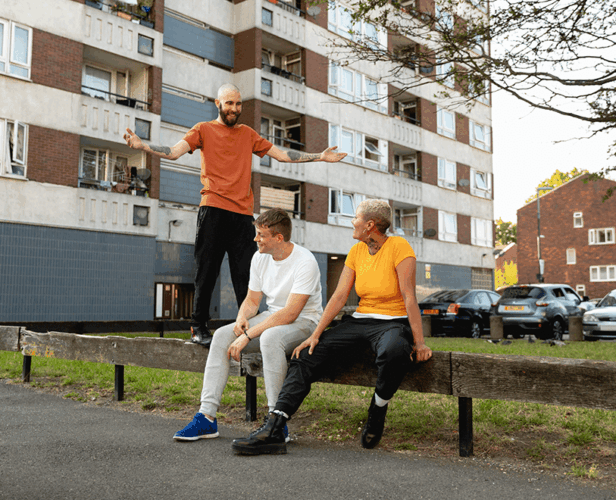
Despite the many benefits of a blended mix media approach, it is essential not to underestimate the value of human interaction in resident engagement. Face-to-face communication, such as community meetings, workshops, and social events, allows for the development of personal relationships and trust between community members and organisations. These connections can help to break down barriers, promote understanding, and encourage active participation in community initiatives.
In-person interaction also provides an opportunity for immediate feedback, enabling organisations better to understand residents’ needs, concerns, and suggestions. By incorporating human interaction alongside a blended mix media approach, communities can create an inclusive and responsive environment that fosters resident engagement and empowerment.
Conclusion
In conclusion, a blended mixed media approach combining ink and digital methods is critical to resident engagement, as it effectively caters to the diverse demographic needs in today’s communities. By addressing the unique challenges faced by the elderly, the illiterate, the digitally excluded, those for whom English is a second language, and those with varying cultural backgrounds, this approach ensures that all residents have the opportunity to access and engage with community information and resources.
Furthermore, it is crucial to recognise that human interaction remains an irreplaceable component of resident engagement. Face-to-face communication fosters trust, promotes understanding, and encourages active participation in community initiatives. By incorporating both a blended mixed media approach and human interaction, communities can create an inclusive and responsive environment that empowers residents and strengthens the bonds that hold them together. Ultimately, a blend of ink and digital media, alongside meaningful human connections, is essential for creating vibrant, engaged, and resilient communities that can thrive in a diverse and interconnected world.